Clipvionixa
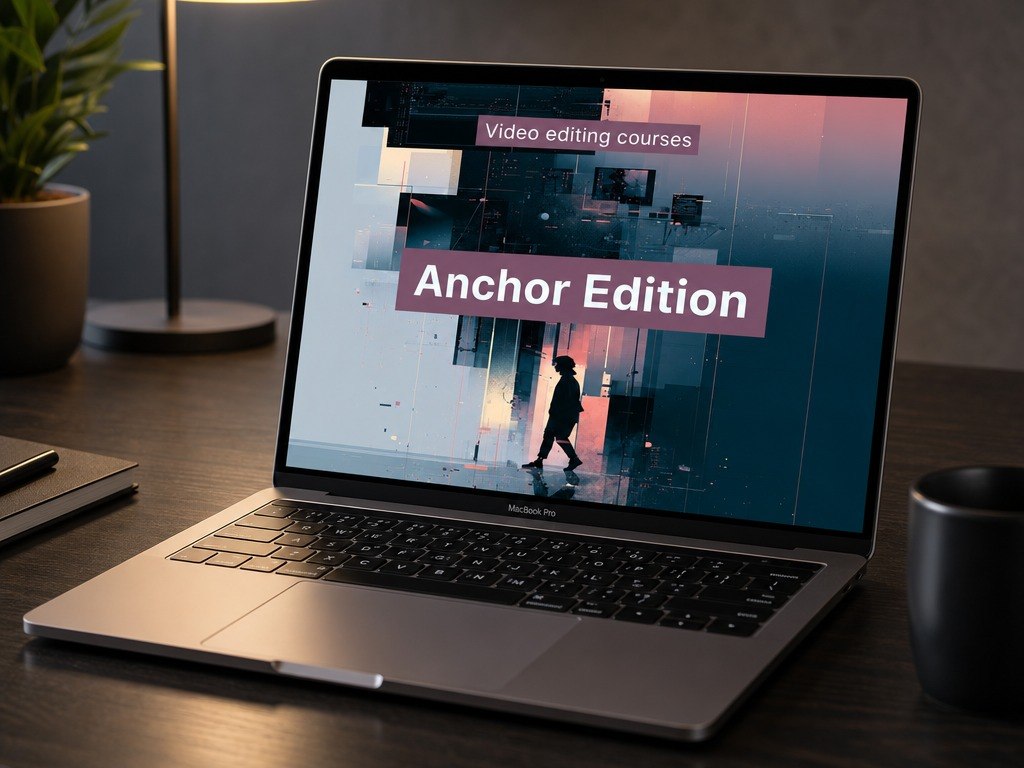
Anchor Edition
Anchor Edition
- 💾 Digital file available after purchase
- 📅 Long-term availability
- 🔒 Secure checkout
- ✨ Content updated in 2026
Self-paced learning overview
1. Problem Statement
At a higher stage of learning, the challenge is no longer only about separate frames or scenes, but about aligning the entire material. Even if each episode feels organized enough, gaps may still appear between parts through pacing, mood, visual density, or meaning logic. It is often difficult to understand where the issue is: in a specific frame, a transition, the scene structure, or the overall sequence. Because of this, the final work may feel uneven even when it already contains many carefully developed fragments. Anchor Edition helps learners view editing as a complete system where each decision is reviewed not separately, but within the context of the whole work.
2. Solution
Anchor Edition brings the topics from the previous tiers into a broader learning route. You study how to analyze material from the first review to the final structure check. The materials help connect work with frames, scenes, motion, layers, rhythm, mood, and episode sequence. Special attention is given to final review, finding weaker areas, and creating a personal editing checklist. This tier is suitable for learners who want a fuller learning system without being tied to named software.
3. What's Inside
- Module 1: Full Editing Map — how to view the full learning project from first material review to final check.
- Module 2: Frame-to-Scene Logic — how to connect frame-level decisions with the logic of the full scene.
- Module 3: Rhythm and Structure Review — how to analyze pacing, pauses, and internal episode structure.
- Module 4: Visual Continuity Check — how to review light, composition, movement, and visual focus between parts.
- Module 5: Layer and Detail Control — how to manage additional elements, text, inserts, and visual details.
- Module 6: Flow Between Episodes — how to build links between several scenes and keep the sequence coherent.
- Module 7: Mood and Pace Alignment — how to align mood and pacing changes within a longer fragment.
- Module 8: Revision Method — how to review work several times with different analysis focuses.
- Module 9: Editing Checklist Builder — how to create your own checklist for reviewing a scene or sequence.
- Module 10: Final Study Project — how to assemble a short learning project and analyze it through structure, rhythm, motion, and visual logic.
4. Who is this for?
✅ A good fit if you...
- have already studied or understand the topics from the previous tiers;
- want to connect frame, scene, and sequence work into one system;
- create longer learning or creative fragments;
- want a clear order for reviewing your own editing work;
- want to analyze material through meaning, rhythm, movement, layers, and overall structure.
❌ Not for you if...
- you only need a short introduction to editing;
- you are not yet ready to analyze scenes through several parameters;
- you need ready-made template solutions instead of learning materials;
- you expect learning tied to named software;
- you do not plan to complete a final learning project or review your own materials with a checklist.
5. What You'll Learn
- Build a full editing work map from first review to final check.
- Connect frame, scene, and sequence analysis.
- Evaluate rhythm, pauses, movement, and pacing within longer material.
- Review visual cohesion between several scenes.
- Manage layers, text elements, and supporting fragments.
- Align mood and pacing between different parts of the work.
- Find areas that need review or further refinement.
- Create your own checklist for editing analysis.
- Assemble a short learning project from several scenes.
- Analyze final material through meaning, structure, rhythm, and visual logic.
6. Refund Terms
- 30-day money back
1. What format do the courses use?
1. What format do the courses use?
Clipvionixa courses are presented as structured learning materials with modules, explanations, practical tasks, and examples for self-guided study. Each tier has its own depth, topic range, and level of detail.
2. Are these courses suitable for beginners?
2. Are these courses suitable for beginners?
Yes, some tiers are created for learners who are just getting familiar with editing and want to understand the basic logic of frames, scenes, and rhythm. Higher tiers include broader topics for learners who already have a basic understanding of the process.
Couldn't load pickup availability
Share